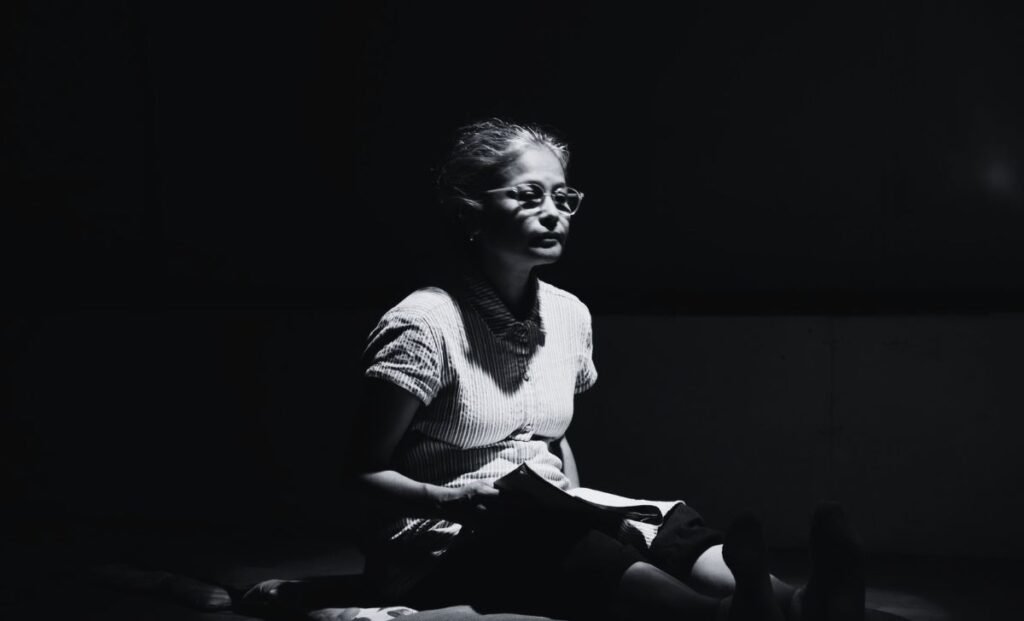
The staging of Sabiti, a theatrical adaptation of Jagadish Ghimire’s acclaimed novel, has once again highlighted the growing appetite for literary works on Nepal’s stage. The production has drawn attention not only for its emotional storytelling but also for raising a broader question: could more classic Nepali novels find new life in theatres across Kathmandu?
Originally adapted and directed by Bimal Subedi, Sabiti presents a thought-provoking interpretation of Ghimire’s work, exploring themes of identity, social expectations, and human resilience. The play has previously been staged at Shilpee Theatre and has also featured in performances at Theatre Village, introducing the story to new generations of theatre audiences.
Kathmandu’s theatre scene has undergone a noticeable revival in recent years. Venues such as Shilpee Theatre, Kausi Theater, Theatre Village and A Theatre Nepal continue to stage original Nepali productions alongside adaptations of international works. According to recent reports, audiences for live theatre have been steadily increasing, with several productions running simultaneously across the capital.
The success and continued interest in productions like Sabiti suggest there is room for more adaptations of Nepal’s literary classics. Works by renowned authors including Parijat, BP Koirala, Diamond Shumsher Rana, Indra Bahadur Rai, and others contain rich narratives that could resonate with modern audiences when reimagined for the stage.
Theatre practitioners say literary adaptations offer a unique opportunity to preserve Nepal’s cultural heritage while making timeless stories accessible through live performance. Such productions also introduce younger audiences to influential Nepali literature in a more engaging and visual format.
Recent theatre programming in Kathmandu has demonstrated a willingness to experiment with both classic and contemporary stories. Productions exploring mythology, politics, social inequality, and psychological themes continue to attract audiences, reflecting a growing appreciation for diverse theatrical experiences.
Whether Sabiti marks the beginning of a broader trend remains to be seen. However, its reception has renewed discussions about adapting more Nepali novels into stage productions. If theatres continue investing in literary works, Kathmandu could see a new wave of performances that celebrate the country’s literary heritage while inspiring future generations of writers, actors, and audiences alike.

Replies
No replies yet. Log in to be the first to reply!